
- Artificial Sugar v/s Natural Sugars: Comparison
Understanding the Basics
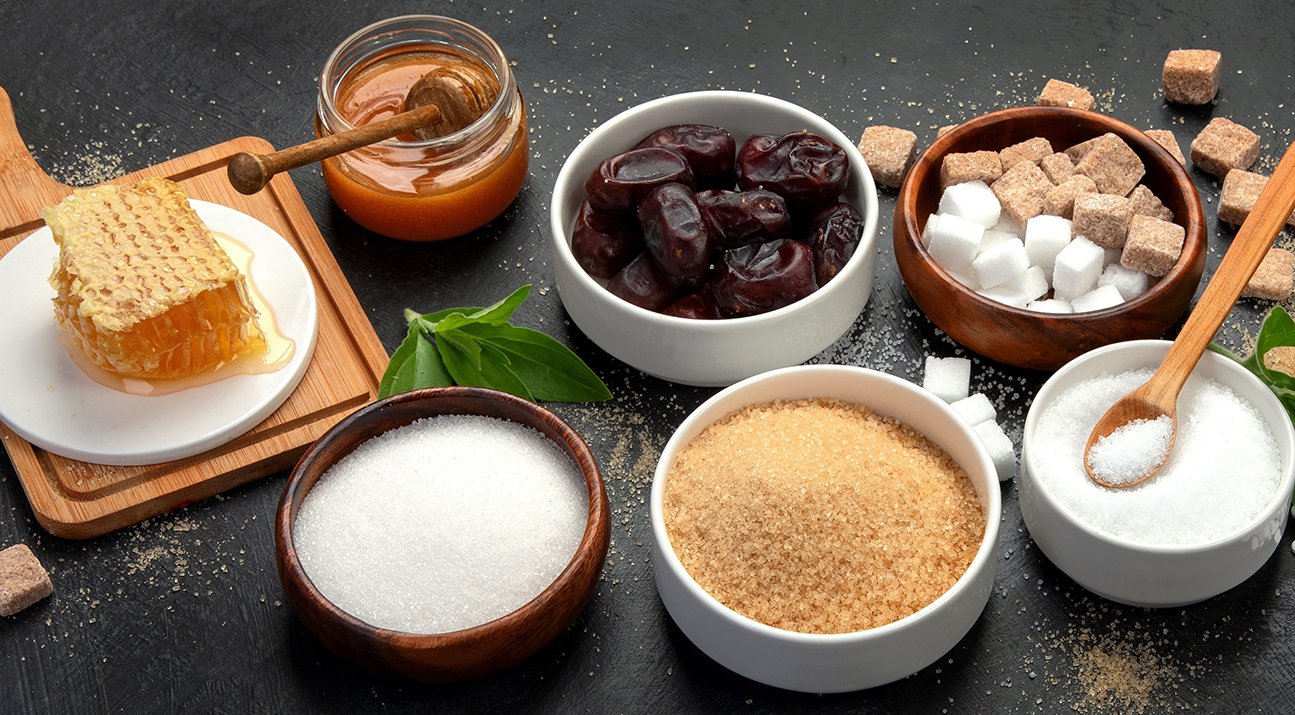
When it comes to sweeteners, understanding the differences between artificial sugar and natural sugars is crucial for making informed dietary choices. Both types of sugars serve the same basic purpose: to provide sweetness to food and beverages. However, their origins, composition, and impact on health can vary greatly.
Artificial Sugar: The Synthetic Alternative
Artificial sugars, also known as non-nutritive sweeteners, are synthetic substitutes designed to provide the sweetness of sugar without the calories. Common types include aspartame, sucralose, and saccharin. These sweeteners are often found in diet sodas, sugar-free products, and many processed foods. While they may drastically reduce calorie intake, their long-term effects on health are still being studied. Some research suggests potential links to metabolic syndrome, gut health issues, and even cravings for more sugar.
The Nutritional Spectrum of Natural Sugars
Natural sugars, found in fruits, vegetables, and dairy, are considered the healthier alternative. These sugars, such as fructose (in fruits) and lactose (in dairy), come with essential nutrients and fiber that contribute positively to overall health. For instance, fruits not only provide natural sugars but are also rich in vitamins, minerals, and antioxidants, making them a nutritious addition to any diet. However, it’s important to consume them in moderation, as excessive intake can lead to issues like weight gain and heightened blood sugar levels.
Comparison Chart of Artificial vs. Natural Sugars
To understand the differences more clearly, here is a simple comparison chart highlighting key aspects of artificial and natural sugars:
Feature Artificial Sugar Natural Sugar Source Synthetic Plant-based or animal-based Calories Zero or negligible Varies (generally higher) Impact on Blood Sugar Minimal Can spike levels Nutritional Value None High (depending on the source) Natural vs. Processed Highly processed Generally unprocessed or lightly processed
Conclusion: Making Informed Choices
As you consider your dietary options, reflecting on the differences between artificial sugars and natural sugars is essential. While both have their uses, the preference for natural sugars often aligns with a holistic approach to health, emphasizing whole foods and natural ingredients. However, moderation remains key in whatever sweeteners you choose to incorporate into your diet.